


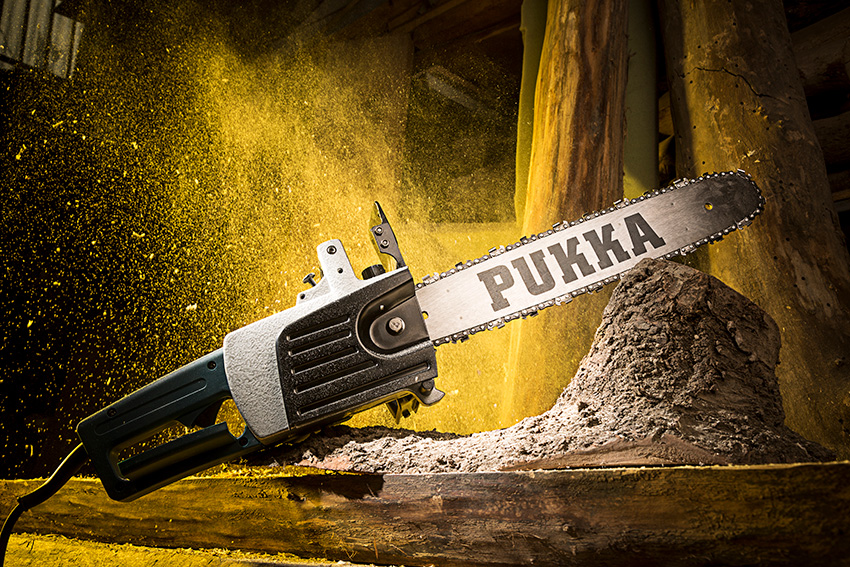
When it comes to maintaining your yard or tackling professional landscaping projects, having the right tree cutting power saw is essential. With a variety of options available on the market, it can be challenging to determine which features are most important. Whether you are a seasoned professional or a weekend warrior, understanding what to look for in a power saw can save you time, effort, and ensure a smooth, efficient cutting experience.
Tree cutting power saws come in different shapes and sizes, each designed for specific tasks and levels of usage. From lightweight models for occasional pruning to heavy-duty saws capable of felling large trees, the features you prioritize will significantly impact your saw’s performance and your overall satisfaction. This guide aims to highlight the essential features that make a power saw effective, durable, and user-friendly, helping you make an informed decision tailored to your needs.
In this article, we will delve into the critical aspects you should consider when choosing a tree cutting power saw. We will explore the types of saws available, discuss key safety features, examine blade types, and evaluate the importance of ergonomics and power. Additionally, we will provide maintenance tips to ensure your saw remains in top condition for years to come. By understanding these essential features, you can confidently select a power saw that meets your specific requirements and enhances your tree cutting efficiency.
Understanding Different Types of Tree Cutting Power Saws
Tree cutting power saws are available in various types, each designed to cater to specific needs and tasks. The most common types include chainsaws, pole saws, and reciprocating saws. Chainsaws are the most versatile and powerful, suitable for a range of activities from pruning branches to felling large trees. Pole saws, on the other hand, are essentially chainsaws on an extendable pole, making them ideal for reaching high branches without the need for a ladder. Reciprocating saws, while less common for tree cutting, can be useful for small branches and tight spaces where a larger saw might be unwieldy.
Choosing the right type of saw depends on the specific requirements of your project. For large-scale tree removal or
heavy-duty tasks, a gas-powered chainsaw might be the best choice due to its power and efficiency. Electric chainsaws, available in both corded and cordless versions, are lighter and easier to maintain, making them suitable for medium-duty tasks. Pole saws are perfect for safely trimming high branches, and reciprocating saws can be handy for quick, smaller cuts. Understanding these types and their respective advantages will help you select the right tool for the job.
Key Safety Features to Consider in Power Saws
Safety is paramount when operating power saws, as these tools can be dangerous if not used correctly. Key safety features to look for include chain brakes, handguards, and safety switches. A chain brake stops the chain almost instantly in case of kickback, a common hazard where the saw jerks back towards the user. Handguards protect your hands from debris and the moving chain, while safety switches prevent accidental activation of the saw, ensuring it only operates when you are ready.
Additionally, look for features such as low kickback chains and anti-vibration systems. Low kickback chains are
designed to reduce the chances of sudden jerks, making the saw safer to handle. Anti-vibration systems minimize the vibrations transmitted to your hands and arms, reducing fatigue and allowing for better control. Wearing proper personal protective equipment (PPE), such as gloves, eye protection, and ear protection, further enhances safety. By prioritizing these safety features, you can significantly reduce the risk of injury and ensure a safer working environment.
Blade Types and Their Impact on Cutting Efficiency
The type of blade on your power saw plays a crucial role in its cutting efficiency and performance. Chainsaw blades, or chains, come in various designs, including full chisel, semi-chisel, and low-profile. Full chisel chains have square-cornered teeth and are excellent for fast, aggressive cutting of hardwood. However, they tend to dull quickly and are best suited for experienced users. Semi-chisel chains have rounded corners, making them slower but more durable and easier to maintain, ideal for cutting softwood or dirty wood.
Low-profile chains are designed for safety and ease of use, featuring shorter teeth that reduce the likelihood of
kickback. For pole saws, the blade’s length and tooth configuration determine its cutting capacity and efficiency. Longer blades with more teeth can handle thicker branches, while shorter blades are better for precision cutting. Reciprocating saw blades, available in different lengths and tooth configurations, should be chosen based on the material and thickness of the branches you are cutting. Selecting the right blade type ensures optimal performance and longevity of your power saw.

Ergonomics and Ease of Use in Tree Cutting Saws
Ergonomics is a critical factor in the usability and comfort of tree cutting power saws. A well-designed saw should feel balanced and comfortable to hold, reducing strain on your hands and arms during extended use. Features such as padded handles, adjustable grips, and anti-vibration systems contribute to a more ergonomic design. Padded handles provide a comfortable grip, while adjustable grips allow you to customize the handle position to suit your hand size and cutting style.
Weight is another important consideration, as a lighter saw is easier to maneuver, especially when working overhead or
in tight spaces. However, lighter saws may sacrifice some power and durability, so finding the right balance between weight and performance is essential. Easy-to-reach controls and intuitive design features, such as tool-less chain tensioning and automatic oilers, enhance ease of use. These features simplify maintenance tasks and allow for quick adjustments on the go, ensuring a smoother and more efficient cutting experience.
Power and Performance: What to Look for in a Saw
The power and performance of a tree cutting saw are determined by factors such as engine size, battery capacity, and cutting speed. Gas-powered saws typically offer the highest power, measured in cubic centimeters (cc) or horsepower (HP), making them suitable for heavy-duty tasks. Electric saws, both corded and cordless, provide sufficient power for most residential needs, with battery capacity (measured in ampere-hours, Ah) being a key factor in cordless models. Higher battery capacity translates to longer runtime and better performance.
Cutting speed, often measured in feet per second (fps) or meters per second (m/s), indicates how quickly the saw can
cut through wood. A higher cutting speed results in faster, more efficient cutting. Additionally, consider the bar length, which determines the maximum diameter of wood the saw can handle. Longer bars are suitable for larger trees, while shorter bars offer better control and are ideal for smaller tasks. Evaluating these performance metrics helps you choose a saw that matches your cutting needs and ensures optimal efficiency.
Maintenance Tips for Prolonging Your Power Saw’s Lifespan
Proper maintenance is crucial for prolonging the lifespan of your tree cutting power saw and ensuring consistent performance. Regularly inspecting and cleaning the saw helps prevent issues and extends its durability. Start by checking the chain tension and sharpening the chain regularly to maintain cutting efficiency. A dull chain not only slows down your work but also increases the risk of kickback. Clean the air filter and cooling fins to prevent overheating and ensure the engine runs smoothly.
Lubrication is another key aspect of maintenance. Ensure the chain is properly lubricated by regularly refilling the bar oil reservoir and checking the oil delivery system. For electric saws, inspect the power cord or battery connections for any signs of wear or damage. Store your saw in a dry, clean place and protect it from the elements when not in use. Performing these routine maintenance tasks helps keep your saw in top condition, reduces the likelihood of breakdowns, and maximizes its lifespan.
Conclusion
In conclusion, selecting the right tree cutting power saw involves understanding the essential features that contribute to its performance, safety, and usability. By familiarizing yourself with the different types of saws available, you can choose a model that aligns with your specific needs, whether it be for professional landscaping or home yard maintenance. Prioritizing key safety features such as chain brakes, handguards, and anti-vibration systems ensures a safer operating experience, while selecting the appropriate blade type enhances cutting efficiency. Ergonomic design and ease of use are crucial for reducing fatigue and improving overall user experience.
Ultimately, a well-chosen power saw not only simplifies your tree cutting tasks but also ensures durability and long-term satisfaction. Regular maintenance, including proper lubrication, chain tensioning, and cleaning, plays a vital role in extending the life of your saw and maintaining its performance. By considering these factors and following the guidelines outlined in this article, you can make an informed decision and invest in a power saw that meets your requirements and delivers reliable, efficient results for years to come.